Key Points
- Oscar-winning director Woody Allen has commenced shooting his 51st feature film in Madrid, Spain, with production running for six weeks following a launch on October 5.
- The local regional government and city council have contributed a combined total of €3 million towards the film’s €12 million budget.
- Under the public contract terms, the production must feature “Madrid” in the title and render the capital’s iconic landmarks and streets easily identifiable to global audiences.
- Principal photography has been spotted near major heritage locations, including the Teatro Real on Calle de Alcalá and the prestigious Salamanca district.
- The municipal and regional funding is designed as a strategic public relations and tourism promotion initiative to boost international visitor traffic.
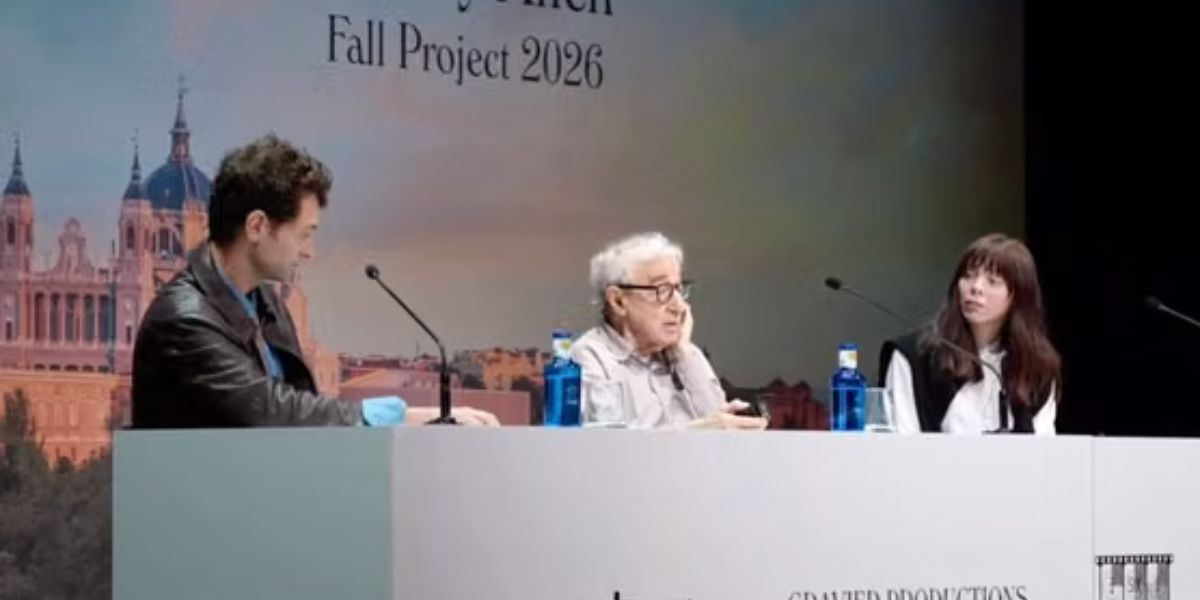
Madrid (Madrid Journals) October 22, 2026 – American filmmaker Woody Allen has officially initiated six weeks of principal photography in Madrid for his 51st feature film, embarking on a project heavily supported by local public funding. The feature operates under a total budget of €12 million, with a quarter of the financing provided directly by the capital’s municipal and regional administrative authorities. The film, which began shooting on October 5, forms part of an explicit local tourism promotion agreement mandating the visible inclusion and visual promotion of the city’s key heritage landmarks throughout the motion picture.
In line with standard reporting practices, news coverage surrounding this municipal venture has highlighted both the director’s presence on location and the operational agreements behind the cameras. As reported by journalists covering the production on the ground, Allen was spotted on set near the landmark Teatro Real, the capital’s renowned opera house situated on Calle de Alcalá, as well as across the upscale Salamanca district, where municipal police briefly halted traffic to accommodate camera crews. Reports note that the director was observed directing scenes while clad in his characteristic green parka and rain hat. While the full official title of the production remains undisclosed by the production company, contractual agreements guarantee that the word “Madrid” will feature prominently within the final release title.
How Is Woody Allen’s New Motion Picture Being Funded?
The financial framework supporting the feature film involves substantial direct capital contributions from Spanish local government institutions. The Madrid regional administration, headed by Isabel Díaz Ayuso of the conservative People’s Party (PP), together with the Madrid city hall, which is also led by the PP, have each allocated €1.5 million in public money to the production. Combined, this €3 million sum represents exactly 25 per cent of the motion picture’s overall €12 million production budget.
According to publicly accessible contract documentation published by regional authorities, the government funding is explicitly tied to strict visual and branding requirements. The contract stipulates that the city of Madrid must be “easily recognizable” on screen, requiring camera setups to explicitly feature and identify the city’s streets, historic monuments, and natural landscapes. In exchange for municipal financial backing, the project serves as a structured, negotiated international destination campaign intended to market the city to global cinema audiences.
Where Is Filming Taking Place Across Madrid?
Principal photography for the feature is scheduled across a six-week duration in high-profile cultural and residential zones within the city. Initial shooting locations have focused on central civic points and affluent neighborhoods designed to present an idealized visual representation of the Spanish capital.
Set reports indicate that production teams have centered activities around key architectural monuments, such as the Teatro Real along Calle de Alcalá. Additional location shoots in the Salamanca district required temporary road closures and traffic diversions managed by civic authorities to allow crew members to capture wide-angle exterior footage of the city’s historic streets.
Background of the Film Production Deal
Woody Allen has a established history of partnering with European municipal bodies and regional funding agencies to produce city-centric romantic films. Throughout the 2000s and 2010s, Allen directed a series of feature films financially backed or facilitated by European public and private institutions, including Vicky Cristina Barcelona (2008) in Catalonia, Midnight in Paris (2011) in France, and To Rome with Love (2012) in Italy. These projects frequently incorporated location names directly into titles while receiving public co-financing or production incentives aimed at stimulating regional tourism and international cultural profile.
In Madrid, the decision by regional President Isabel Díaz Ayuso and municipal leadership to co-fund Allen’s 51st feature builds upon this established cinematic tourism model. The regional government’s official procurement registers make the subsidy terms transparent, reflecting a deliberate economic strategy by conservative regional authorities to utilize feature-length cinematic releases for long-term municipal place-branding and international visitor acquisition.
How Will This Development Affect Local Residents and Taxpayers?
The €3 million public investment and six-week filming schedule carry direct economic, civic, and cultural implications for the residents and taxpayers of the Madrid region.
Financial and Public Resource Impact
From an economic standpoint, local taxpayers are funding 25 per cent of a commercial feature film’s budget. Proponents of municipal film subsidies argue that such investments yield long-term dividend returns through increased international tourism, local job creation during production, and direct expenditure on regional service providers, hospitality, and technical crews. Conversely, critical civic commentary often focuses on the direct allocation of municipal treasury funds toward foreign commercial entertainment projects.
Daily Civic Disruption
In the immediate term, residents living or working near production zones face localized urban disruptions. The brief closure of thoroughfares in the Salamanca district and operational adjustments around busy landmarks like Calle de Alcalá affect public transportation flow, local delivery schedules, and everyday vehicular traffic.
International Perception and Tourism Growth
For business owners in the hospitality, retail, and tourism sectors, the contractual requirement to display an “easily recognizable” Madrid on screen is expected to increase international destination awareness. By showcasing historic sites like the Teatro Real to global audiences, the regional administration aims to drive long-distance leisure travel, positioning the city alongside other European capitals that have previously benefited from high-profile cinematic features.