Key Points
- Impending Transfer Deal: 16-year-old Manchester United academy forward JJ Gabriel is finalising a high-profile move to Real Madrid following an acrimonious exit process from Old Trafford.
- Minimal Compensation Fee: Manchester United are set to receive approximately £350,000 in compensation due to cross-border FIFA training compensation rules governing overseas transfers.
- Parental Influence: The player’s father, former professional footballer Joe O’Cearuill (39), heavily influenced the departure, having previously altered his son’s surname to enhance marketability and engaged in public online discussions regarding his development.
- Legal Action Considerations: Manchester United are prepared to initiate legal action against agent Ali Barat, who obtained a license to represent minors on the exact day Gabriel formally requested to be deregistered from the club.
- Catalyst for Departure: Gabriel decided to leave after being omitted from Manchester United’s Champions League squad ‘A list’ at age 15, rejecting subsequent attempts by club officials to placate his father with a promised League Cup bench selection.
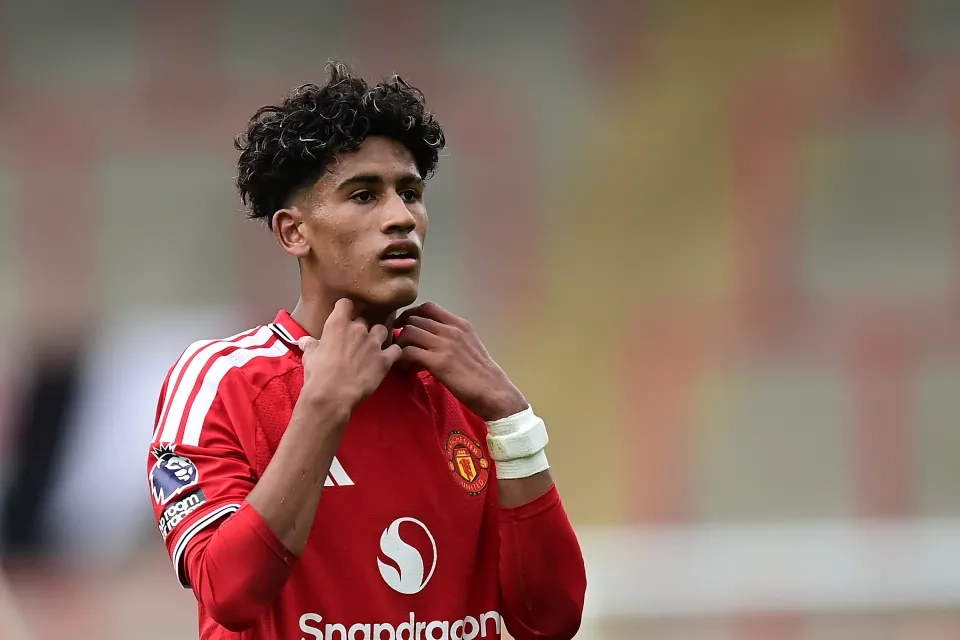
Madrid (Madrid Journals) November 09, 2026 – Real Madrid hierarchy have expressed surprise following recent public comments made by 16-year-old prodigy JJ Gabriel, while remaining wary of the reputation of his father, former professional player Joe O’Cearuill. Gabriel is currently in Madrid alongside his family and entourage to complete a transfer away from Manchester United, a saga triggered when the young forward requested to be deregistered by the Premier League side. The move leaves Manchester United entitled to a training compensation fee of just £350,000.
- What Led to JJ Gabriel’s Breakaway from Manchester United?
- What Role Has Joe O’Cearuill Played in His Son’s Career and Marketability?
- What Did JJ Gabriel Say in His Interview with Marca?
- How Do Gabriel’s Ambitions Contrast with Real Madrid’s Team Ethos?
- Background of the Transfer Dispute and Brexit Regulatory Framework
- How This Development Will Affect the Stakeholders
What Led to JJ Gabriel’s Breakaway from Manchester United?
The rift between Gabriel’s camp and Manchester United intensified after the teenager was omitted from the club’s UEFA Champions League squad ‘A list’ at the age of 15. Discontent grew when fellow academy teenagers Shea Lacey and Harry Amass were brought on as substitutes during United’s opening European fixture against Sabah on September 7, making their official Champions League debuts.
In an attempt to appease O’Cearuill, Manchester United officials offered promises that Gabriel would be included on the substitutes’ bench for a League Cup fixture against Brighton six days later. However, the player formally communicated his intention to leave the club the day prior to the match.
As reported by journalists at SunSport, Manchester United are prepared to take legal action against football agent Ali Barat. Barat obtained a official regulatory license to represent minors on the exact date it emerged that Gabriel had asked for his deregistration from Old Trafford.
What Role Has Joe O’Cearuill Played in His Son’s Career and Marketability?
Joe O’Cearuill, a 39-year-old former professional defender, has taken a hands-on approach to managing his son’s trajectory. His style heavily contributed to the friction with Manchester United management and occasionally spilled into public online spats regarding Gabriel’s development plan and positional deployment.
Various sources confirm that O’Cearuill formally changed his son’s surname to Gabriel—moving away from his birth surname O’Cearuill—specifically to make the player more commercially viable and brand-conscious. To further accommodate these commercial aspirations, Manchester United previously agreed to grant Gabriel the brand-centric number 77 squad number and included him on their official Premier League squad submission list.
Despite the bitter exit process, figures at Old Trafford indicated they were not surprised by recent public media appearances, having dealt extensively with O’Cearuill across a range of contentious academy matters throughout Gabriel’s developmental years.
What Did JJ Gabriel Say in His Interview with Marca?
During a recent interview with Spanish publication Marca in Madrid, accompanied directly by O’Cearuill, Gabriel practically confirmed his impending arrival at the Santiago Bernabéu. When asked about his long-term career targets, Gabriel stated: “My dream is to win a Ballon d’Or.”
As reported by Marca, the interview caused surprise among Real Madrid executives, who traditionally prefer young signings to maintain low media profiles prior to contract executions. High-ranking figures at Real Madrid remain alert to O’Cearuill’s history of assertive media involvement and public commentary.
Internal sources at Manchester United maintain that the club has had no direct dialogue with Real Madrid or Gabriel’s family since his decision to leave Carrington, viewing the player’s departure as fully resolved on their side.
How Do Gabriel’s Ambitions Contrast with Real Madrid’s Team Ethos?
Gabriel’s individual target of capturing a Ballon d’Or comes alongside broader commentary from established world-class figures in the sport. This year’s Ballon d’Or winner Harry Kane admitted during his speech that he would willingly swap individual accolades for a maiden UEFA Champions League victory.
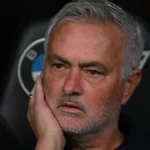
In his acceptance speech, Kane extended gratitude to his former manager José Mourinho. Mourinho, a two-time Champions League winner who previously managed Manchester United, has consistently placed a firm emphasis on collective team success over individual awards.
Real Madrid hold the record for the most European Cup victories in football history, having lifted the trophy 15 times—more than double any other European club. Furthermore, the Spanish club has produced more Ballon d’Or recipients than any other team and holds the joint-record for the most total individual wins.
Background of the Transfer Dispute and Brexit Regulatory Framework
The dispute between Manchester United and JJ Gabriel represents a broader challenge facing English academy systems under post-Brexit football regulations. Under FIFA’s Regulations on the Status and Transfer of Players (RSTP), domestic transfers involving players under the age of 18 require substantial compensation or mutual agreement between British clubs. However, when a youth prospect possesses dual nationality or an EU passport, international transfers to continental clubs can be completed for set FIFA training compensation fees, which are significantly lower than domestic market valuations.
In Gabriel’s case, the flat rate of roughly £350,000 represents standard international compensation calculated strictly based on training years spent at Carrington. For Manchester United, this represents a fraction of the market value typically placed on a player regarded as one of Europe’s top talents in his age group. The friction between club hierarchies and pushy parental representatives has become an increasingly visible element of elite youth recruitment, leading clubs to reassess how squad numbers, commercial promises, and early first-team pathways are negotiated.
How This Development Will Affect the Stakeholders
Impact on Real Madrid Management and Dressing Room Dynamics
For Real Madrid’s executive team and technical staff, managing Gabriel will require establishing firm boundaries early in his tenure. Given the history of assertive parental involvement from Joe O’Cearuill, Real Madrid’s staff will likely look to limit external noise and integrate Gabriel into their youth setup or reserve ranks without disrupting team unity. If Gabriel’s individual focus on awards like the Ballon d’Or is not aligned with the team’s collective goals, it could create friction in a squad that prioritises tactical discipline and European silverware.
Impact on Premier League Academies and Youth Development Strategy
For Manchester United and rival Premier League academies, Gabriel’s departure highlights the vulnerability of English clubs to losing elite teenage talent to continental giants for minimal compensation. Academies may alter their contractual approaches and squad registration policies for 15- and 16-year-olds to prevent similar standoffs. Additionally, Manchester United’s potential legal scrutiny into agent licensing for minors could set a new legal precedent across English football regarding how agency representatives interact with under-18 academy players.