Key Points
- Escalating Diplomatic & Commercial Dispute: Real Madrid and French international star Kylian Mbappé are facing an intensifying commercial backlash in China following Mbappé’s comments regarding an edited image of late Chinese leader Mao Zedong.
- Real Madrid’s Stance: Real Madrid have distanced themselves from Mbappé’s remarks, framing them as personal expressions with no intent to offend, and insisting that the club’s corporate partnerships with Chinese sponsors remain unchanged.
- La Liga Intervention: La Liga President Javier Tebas held an emergency meeting with China’s Ambassador to Spain, Yao Jing, offering a public apology on behalf of the league to mitigate broader commercial damage.
- Sponsorship Cancellations: Major Chinese brands, including energy drink giant Dongpeng and dairy producer Mengniu, have terminated their commercial endorsement contracts with Mbappé.
MADRID (Madrid Journals) October 28, 2026 – Real Madrid’s attempt to insulate their corporate partnerships from the fallout of Kylian Mbappé’s controversial comments about late Chinese leader Mao Zedong has triggered a severe diplomatic and commercial confrontation with state-backed Chinese media entities. Following viral video footage in which Mbappé reacted to memes depicting him as a “Chinese dictator,” state broadcaster China Media Group (CMG) and the Chinese Football Association rejected Real Madrid’s refusal to issue an official club apology. Despite La Liga President Javier Tebas making an emergency diplomatic intervention to apologize on behalf of Spanish football, CMG suspended all commercial discussions with Real Madrid and halted broadcasts of La Liga matches, rejecting the club’s assertion that Mbappé acted strictly in a personal capacity.
- Key Points
- What Caused the Commercial Controversy Involving Kylian Mbappé and China?
- How Have Real Madrid and La Liga Responded to the Escalating Crisis?
- Why Did China Media Group Reject Real Madrid’s Justification?
- Background of Real Madrid and La Liga Commercial Expansion in China
- How This Controversy Will Affect European Football’s Asian Commercial Strategy
What Caused the Commercial Controversy Involving Kylian Mbappé and China?
The controversy stems from video footage circulating online in which French forward Kylian Mbappé was asked to identify his favorite meme featuring himself.
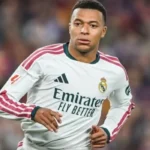
As reported by E. Eduardo Castillo of The Associated Press, Mbappé commented on a meme that superimposed his face onto the body of Mao Zedong, referring to the subject as “a guy… I think he was a Chinese dictator”. While online football culture frequently uses “dictator” memes humorously to describe Mbappé’s influence at his clubs, the reference to the founder of the People’s Republic of China sparked immediate national indignation across Chinese social media and official state channels.
Following the online backlash, Mbappé published an official apology aimed at easing tensions:
“I apologize to everyone my words have upset. This was absolutely not my intention. I have deep respect for the Chinese people and their history, and I am sincerely sorry.”
Despite the player’s public regret, major Chinese corporate entities initiated immediate contract terminations. As reported by Al Jazeera, Chinese energy drink producer Dongpeng terminated its endorsement contract with Mbappé with immediate effect, declaring a zero-tolerance policy toward comments offending national sentiment. China’s premier dairy producer, Mengniu, similarly severed commercial ties with the French captain.
How Have Real Madrid and La Liga Responded to the Escalating Crisis?
The institutional response from Spanish football authorities has split along administrative lines, creating friction between league leadership and Real Madrid executive management.
As reported by French outlet Foot Mercato and Spanish publication OK Diario, Real Madrid have maintained that Mbappé’s comments were personal expressions without any intent to insult Chinese history or citizens. Real Madrid executive leadership insisted that while Mbappé’s individual endorsements ended, the club’s overarching commercial agreements with Chinese corporate partners remained active and unaltered.
Conversely, La Liga President Javier Tebas enacted immediate damage control, meeting directly with Chinese Ambassador to Spain Yao Jing to preserve the league’s multi-million-euro broadcasting and strategic agreements in East Asia.
Writing on social media platform X, La Liga President Javier Tebas stated:
“La Liga deeply regrets the offence that Kylian Mbappe’s recent comments have caused among Chinese fans. These comments were made in a personal capacity and do not represent La Liga. We are taking the measures within our reach and working directly with our partners and interlocutors in China to overcome this situation. A relationship built over so many years cannot be damaged by a single episode.”
Why Did China Media Group Reject Real Madrid’s Justification?
Real Madrid’s stance has drawn sharp condemnation from Chinese media executives and government-backed sporting bodies.
As reported by Chinese sports news agency Dongqiudi and relayed by Goal.com, an official spokesperson for the Sports and Youth Centre of China Media Group (CMG)—the parent entity operating state network CCTV—publicly rejected Real Madrid’s statement:
“We have taken note of Real Madrid’s position. Yesterday and today, the president of La Liga and other relevant parties sent repeated messages to CCTV offering a public apology. We believe that Mbappé’s disgraceful comments have hurt the Chinese people, crossed red lines, and exceeded the limits of freedom of expression,” the CMG spokesperson stated.
The spokesperson directly challenged Real Madrid’s argument regarding player autonomy and club responsibility:
“Mbappé is a Real Madrid player, and the club bears a heavy responsibility. Therefore, we reject Real Madrid’s justification that Mbappé ‘never intended to offend anyone, and that he stated players have the right to express their personal opinions’, and we reject Real Madrid’s position.”
Firmly addressing Real Madrid’s assertion that its commercial partnerships remain unaffected, the spokesperson added:
“Regarding Real Madrid’s claim that the club’s partnership with its Chinese sponsors has not changed, we will not verify this. However, we remind everyone that words and actions that would offend the Chinese people will naturally provoke widespread anger across all sectors of Chinese society. We hope Real Madrid will not be deceived. Until the club offers an apology, all discussions are suspended.”
Background of Real Madrid and La Liga Commercial Expansion in China
Over the past two decades, Spanish football entities have invested heavily in expanding their brand footprint across Asia, with Mainland China representing La Liga’s most lucrative international growth market outside Europe. Real Madrid, in particular, built an extensive commercial presence in the country through summer exhibition tours, youth academy development partnerships, and lucrative corporate sponsorships.
La Liga established a formal strategic partnership with the Chinese Super League running through 2029, accompanied by long-term broadcasting distribution contracts with CCTV and digital streaming platforms.
However, Western sports organizations operating in China have repeatedly encountered geopolitical sensitivities. Previous incidents involving the NBA, Arsenal FC, and individual athletes demonstrated that Chinese state broadcasters and corporate sponsors regularly freeze broadcast coverage and commercial access when perceived red lines regarding national sovereignty or historical leadership are crossed.
How This Controversy Will Affect European Football’s Asian Commercial Strategy
The rejection of Real Madrid’s stance by China Media Group marks a critical junction in sports marketing, with far-reaching implications for European clubs, star athletes, and international broadcast arrangements.
1. Pressure on Real Madrid Executive Management to Issue a Formal Statement
With CCTV maintaining a suspension on La Liga match broadcasts featuring Real Madrid and Mbappé, institutional pressure from La Liga leadership and shared corporate sponsors will likely force Real Madrid to issue an official, carefully worded statement of regret. To avoid long-term exclusion from Chinese broadcast networks, the club will need to bridge the gap between protecting player expression and satisfying state media requirements.
2. Tightening of Social Media and Media Protocols across European Clubs
In response to the broadcast freeze, European clubs and top-flight leagues will implement strict media communication guidelines. La Liga’s announced protocol will mandate comprehensive cultural sensitivity training for international players, specifically addressing meme culture, historical references, and political sensitivities in key export markets.
3. Separation of Individual Athlete Brands From Club Commercial Rights
Corporate sponsors in East Asia will increasingly structure contract clauses to isolate club partnerships from individual player controversies. Global sports agencies managing elite athletes will implement rigorous pre-screening of digital content, live podcasts, and social media interactions to prevent individual offline comments from threatening multi-million-euro regional brand portfolios.