Key Points
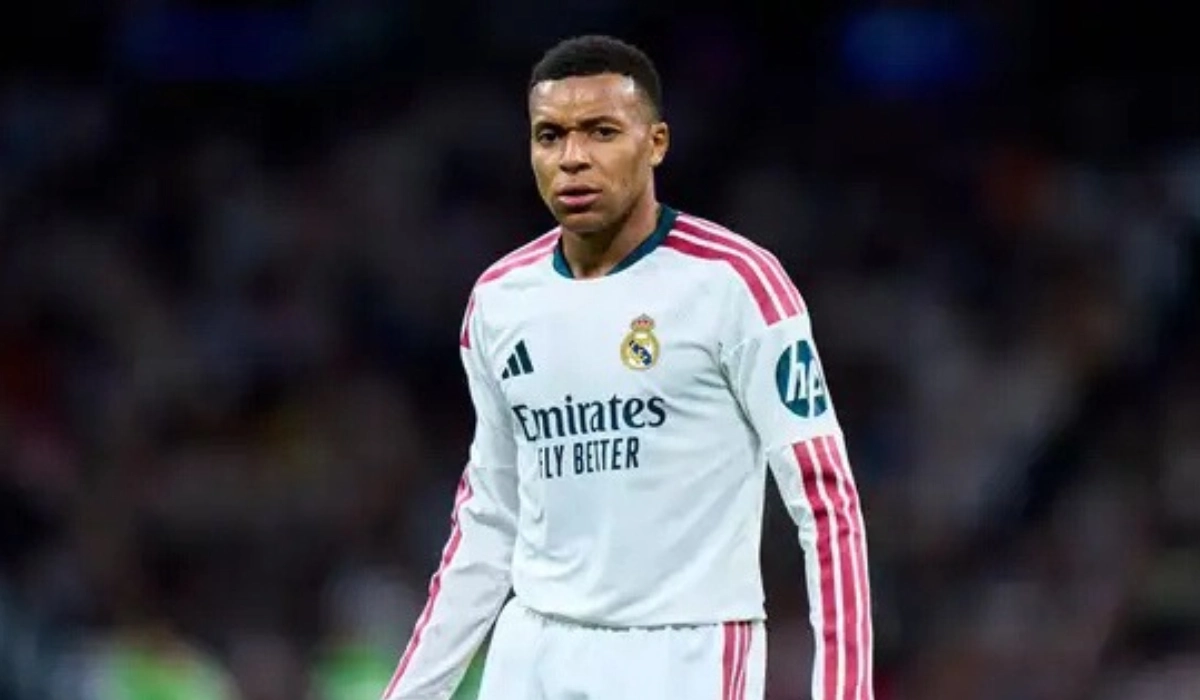
- Political Backing for Mbappé: As reported by Goal, Green Party secretary general Marine Tondelier publicly defended Real Madrid forward Kylian Mbappé amid his growing diplomatic and commercial fallout with China.
- The Core Controversy: The dispute ignited after a viral interview clip showed Mbappé expressing amusement at a satirical internet meme featuring his face photoshopped onto a “Chinese dictator”, an implicit reference to communist founding leader Mao Zedong.
- Assertion of Historical Facts: As reported by Goal and Oman Observer, Marine Tondelier posted on X that Mbappé “did not express an opinion, but presented facts,” stating that Mao’s responsibility for millions of deaths and the totalitarian nature of his regime are confirmed historical facts.
- Critique of Economic Subservience: Tondelier sharply criticized institutional apologies, asserting that “systematic surrender to Chinese economic pressure is proof of weakness”.
- Commercial and Institutional Fallout: Real Madrid and La Liga president Javier Tebas issued formal apologies to protect lucrative commercial ties, while Chinese state television suspended La Liga broadcasts and sponsors distanced themselves from the French captain.
Madrid (Madrid Journals) October 29, 2026 – French Green Party leader Marine Tondelier has stepped forward to offer unexpected political backing to Real Madrid star Kylian Mbappé as the footballer navigates an intensifying geopolitical storm with China. The controversy erupted following an interview in which Mbappé referenced a satirical meme depicting his face on a Chinese dictator, widely understood to mean Mao Zedong. While corporate entities and sports bodies—including Real Madrid and La Liga—rushed to issue apologies to safeguard their commercial standing, Tondelier argued that the forward merely stated established historical facts, simultaneously condemning international institutions for yielding to Chinese economic pressures.
- Key Points
- Why did French politician Marine Tondelier defend Kylian Mbappé’s remarks about Mao Zedong?
- What broader criticisms did Marine Tondelier direct at international commercial pressure?
- How have Real Madrid, La Liga, and Chinese authorities responded to the crisis?
- Background of the particular development
- How this development can affect European football clubs, commercial sponsors, and elite athletes
Why did French politician Marine Tondelier defend Kylian Mbappé’s remarks about Mao Zedong?
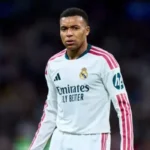
The diplomatic and commercial crisis surrounding Real Madrid forward Kylian Mbappé took a sharp political turn when Green Party secretary general Marine Tondelier intervened to support the France national team captain. The controversy originated from a video interview in which Mbappé remarked that one of his favourite satirical internet images involved a composite picture superimposing his face onto a “Chinese dictator,” an apparent allusion to former Chinese communist leader Mao Zedong.
The remarks provoked an immediate and furious backlash from Chinese state media, public commentators, and commercial partners. However, stepping away from the conciliation route taken by sports governing bodies, Marine Tondelier took to her official X account to defend the player.
As reported by Goal, Marine Tondelier stated: “Kylian Mbappé was entirely right to describe Mao Zedong as a dictator. The tens of millions of victims for whom Mao bears responsibility, and the totalitarian nature of his regime, are matters confirmed by all historians.”
Expanding on her defense of the footballer, Tondelier argued that the athlete’s comments crossed no subjective boundaries. As reported by Goal and the Oman Observer, Marine Tondelier added: “Therefore, Kylian Mbappé did not express an opinion, but presented facts.” She further noted that in an era where established science and history are frequently challenged by authoritarian proponents, reaffirming verified historical realities remains vital.
What broader criticisms did Marine Tondelier direct at international commercial pressure?
Beyond defending Kylian Mbappé’s characterisation of historical events, Marine Tondelier widened her critique to target the rapid corporate and institutional capitulation that followed the initial broadcast. As sporting organizations and clubs sought to protect multi-million-euro partnerships in East Asia, Tondelier condemned the eagerness to appease foreign economic powers at the expense of foundational principles.
As reported by Goal, Marine Tondelier stated: “The systematic surrender to Chinese economic pressure is proof of weakness, and an admission that what we believe in is worth less than what we have to sell.”
Tondelier’s forthright stance places her in direct opposition to the path pursued by major football institutions. While European politicians largely avoided commenting on the delicate cross-border sports dispute, Tondelier’s intervention highlighted a deep domestic friction in Europe regarding how athletic bodies handle freedom of expression when weighed against lucrative overseas commercial markets.
How have Real Madrid, La Liga, and Chinese authorities responded to the crisis?
The backlash against Kylian Mbappé has manifested across multiple commercial and broadcasting channels. Chinese sponsors swiftly distanced themselves from the French forward, and Chinese state television broadcaster CCTV suspended live transmissions of Spanish top-flight fixtures. CCTV officials indicated that any potential rehabilitation of Mbappé’s image in Chinese markets would depend strictly on his future conduct.
Faced with a complete blackout of La Liga broadcasts in one of its most critical international growth markets, Spanish football authorities moved quickly to contain the economic fallout. As reported by Goal and the Oman Observer, La Liga president Javier Tebas issued an official statement expressing deep regret over any offense caused to Chinese supporters. Shortly thereafter, Real Madrid released a formal club apology addressing the controversy surrounding their star player.
Although Mbappé later issued statements addressing his ill-judged comments, the divergence between corporate apologies and domestic political backing underscores the complex pressures elite athletes face at the intersection of global commerce, modern media, and geopolitical sensitivities.
Background of the particular development
The tension between European football institutions and Chinese commercial markets has evolved significantly over the past decade. Clubs like Real Madrid, Barcelona, and various Premier League sides have invested heavily in building massive digital fanbases, merchandising networks, and broadcast agreements across East Asia. Because state-backed broadcasters and corporate conglomerates hold immense financial leverage over overseas television rights and sponsorship revenue, any controversy touching upon sensitive political figures or historical events in China carries immediate financial consequences.
Kylian Mbappé, one of the most recognizable global figures in sport following his high-profile transfer to Real Madrid and his captaincy of the French national team, commands immense commercial value. However, his off-the-cuff remarks regarding a historical leader touched raw nerves within Chinese state media paradigms, triggering swift economic countermeasures. The ensuing scramble by La Liga and Real Madrid to issue diplomatic apologies reflects the fragile nature of sports diplomacy, where corporate revenue models routinely override individual freedom of expression or historical commentary.
How this development can affect European football clubs, commercial sponsors, and elite athletes
The public defense of Kylian Mbappé by a prominent European political figure signals broader structural shifts in how sports controversies intersect with international relations:
- For Elite Athletes and Brand Management: Players with global profiles will face intensified media training and corporate oversight regarding casual remarks on historical or political figures, as international sponsors increasingly demand strict neutrality to protect Asian market valuations.
- For European Football Clubs and Leagues: Real Madrid and La Liga’s swift apologies highlight their vulnerability to foreign market disruptions. Future broadcasting negotiations may incorporate stricter risk-mitigation clauses or financial buffers to protect clubs against sudden state-backed media boycotts.
- For Domestic Politicians and Cultural Discourse: Tondelier’s intervention may encourage other European politicians to challenge the commercial subordination of sports institutions to authoritarian economic leverage, sparking wider parliamentary debates across the continent regarding the ethical boundaries of sports sponsorship.