Key Points
- Criminal Complaint Filed: The regional Executive of the Community of Madrid has lodged a formal criminal complaint in the Court of First Instance of Madrid against former central Government Delegate Francisco Martín.
- Legal Allegations: The complaint attributes alleged crimes of administrative prevarication (misconduct in office) and omission of the duty to prosecute ongoing illegal acts during a 34-day protest camp at Puerta del Sol.
- Unprosecuted Offences Alleged: Spokesperson Miguel Ángel García Martín cited alleged unprosecuted offences including sexual and physical assaults, property damage, illegal weapons possession, hate crimes, and threats targeting regional President Isabel Díaz Ayuso.
- Disruption and Vandalism: The regional government asserts that the 34-day protest camp has disrupted local merchants, damaged cultural heritage, and created serious public health concerns in the heart of the capital.
- Calls for Heightened Security: Citing social media calls promoting civil disruption on Halloween night, the regional administration urged the Ministry of the Interior to reinforce State Security Forces to preserve public order.
- Central Government Defence: The Government Delegation defended its actions, asserting that all operational decisions regarding Puerta del Sol adhered strictly to the legal framework and protected fundamental constitutional rights.
Madrid (Madrid Journals) October 30, 2026 – The regional Executive of the Community of Madrid has formally initiated legal proceedings against former central Government Delegate Francisco Martín, filing a criminal complaint before the Court of First Instance of Madrid over his administration’s handling of the high-profile protest encampment at Puerta del Sol. As reported by judicial correspondents monitoring Madrid’s regional administration on Friday, 30 October 2026, the complaint alleges administrative prevarication and omission of the duty to prosecute ongoing offences within the 34-day illegal settlement erected in the city centre.
- Key Points
- What Specific Legal Charges Has the Community of Madrid Levelled Against Francisco Martín?
- Why Has the Puerta del Sol Encampment Sparked Conflict Between Regional and Central Authorities?
- How Has the Regional Government Responded to Potential Halloween Night Disruption?
- Background of the Particular Development After the News
- How This Development Can Affect Public Officials, Local Businesses, and Protest Movements in Madrid
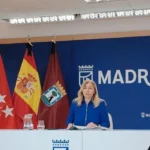
The formal announcement was delivered by the spokesperson for the regional Executive and Minister for the Presidency, Justice and Local Administration, Miguel Ángel García Martín, following a delayed meeting of the regional Governing Council. The council session had been postponed due to a major railway accident in Urda, Toledo. Addressing the press conference, García Martín stated that the decision to pursue criminal charges stems from a sustained failure by central authorities to intervene, clear the site, or address unlawful activity taking place within the encampment.
According to statements made by spokesperson Miguel Ángel García Martín during the post-council briefing, the offences left unaddressed by the delegation encompass physical and sexual assaults, acts of vandalism against urban heritage, illegal possession of weapons, hate crimes, and personal threats directed at the President of the Community of Madrid, Isabel Díaz Ayuso. Questioned about communications issued by the former delegate requesting campers to vacate, García Martín stressed that the regional administration had consistently demanded an immediate clearing of the central square. He added that the 34-day occupation “is ruining merchants, it is vandalising the heritage and it is taking over a square that belongs to all the people of Madrid”.
The criminal filing follows a series of previous legal and administrative measures initiated by the regional cabinet, including a contentious-administrative appeal seeking a judicial order to force the Government Delegation to clear the site, as well as formal complaints submitted to the Prosecutor’s Office regarding heritage damage and hate speech. Responding to the criminal complaint, representatives from the Government Delegation maintained that all operational determinations executed throughout the duration of the Puerta del Sol demonstration were made “with full respect for the current legal framework, in particular fundamental rights, with rigor and responsibility”.
What Specific Legal Charges Has the Community of Madrid Levelled Against Francisco Martín?
The criminal complaint filed by the regional Executive in the Court of First Instance of Madrid centres on two primary legal counts:
- Administrative Prevarication (Misconduct in Office): The regional government contends that former Government Delegate Francisco Martín deliberately failed to exercise his statutory executive authority to issue an eviction order against an unauthorized settlement occupying public space.
- Omission of the Duty to Prosecute Crimes: The complaint asserts that central delegation authorities neglected their legal obligation to investigate and prosecute continuous offences occurring within the perimeter of the encampment.
Detailing the unprosecuted acts during the official press conference, regional spokesperson Miguel Ángel García Martín cited specific criminal violations. As reported by legal reporters covering the Governing Council briefing, Miguel Ángel García Martín stated that the unchecked offences included “sexual and physical assaults, attacks against property, illegal possession of weapons, hate crimes and threats insults against the president of the Community of Madrid”.
Why Has the Puerta del Sol Encampment Sparked Conflict Between Regional and Central Authorities?
The 34-day demonstration at Puerta del Sol—which initially formed around housing rights and social demands—became a major flashpoint between the conservative regional government led by Isabel Díaz Ayuso and the central government’s regional delegation.
Regional officials argue that the prolonged occupation severely damaged local commerce, led to heritage degradation on historic monuments, created public health hazards around transport infrastructure, and deprived local residents of public space. Conversely, central government delegates defended their posture by highlighting constitutional guarantees surrounding the right to peaceful assembly and protest, asserting that police interventions must remain proportionate and legally grounded.
How Has the Regional Government Responded to Potential Halloween Night Disruption?
During the press briefing, spokesperson Miguel Ángel García Martín addressed social media circulation encouraging disruptive gatherings and acts of vandalism on Halloween night. García Martín attributed these calls to political agitation, criticizing what he described as irresponsible messaging from political movements.
As reported by regional journalists, Miguel Ángel García Martín stated that the calls stem from “the threat of the left and the far left” that “there will no longer be peace in the streets”. He further criticized “the irresponsibility of some political parties that are calling to burn absolutely everything and burn the streets of our city, of our region and our country”. In light of these potential disturbances, the regional Executive formally requested the Ministry of the Interior and the Government Delegation to deploy additional State Security Forces and issue clear operational directives to maintain civil order.
Background of the Particular Development After the News
The legal escalation over Puerta del Sol highlights long-standing institutional friction between the regional government of the Community of Madrid and the central Spanish government’s delegation over public order, policing jurisdiction, and the right of assembly in the national capital. Under Spain’s constitutional structure, security coordination and command over the National Police and Civil Guard within the region rest with the central Government Delegate, whereas regional administrations manage local justice, transport, and municipal heritage protection.
In recent weeks preceding the October 30 legal filing, the Madrid regional government submitted technical reports warning of deteriorating health and structural conditions, citing waste accumulation near Metro de Madrid ventilation shafts beneath Puerta del Sol. The dispute deepened as regional authorities issued administrative ultimatums demanding police intervention, culminating in the formal criminal referral against the former delegate to test the legal boundaries of executive discretion during prolonged urban occupations.
How This Development Can Affect Public Officials, Local Businesses, and Protest Movements in Madrid
The criminal proceedings against the former Government Delegate and the ongoing legal debate over Puerta del Sol are likely to produce significant operational and political consequences:
1. For Public Administration and Central Government Delegates
- Precedent for Executive Discretion: A judicial review into whether delaying eviction orders constitutes administrative prevarication could establish strict legal parameters governing how central government delegates balance constitutional assembly rights against public order enforcement.
- Increased Administrative Caution: Future central delegates may adopt more structured, documented timelines when responding to unauthorized urban encampments to mitigate personal legal liability and formal charges of omission of duty.
2. For Local Merchants and Commercial Stakeholders in Central Madrid
- Expedited Security Responses: Enhanced legal scrutiny may prompt central security agencies to implement firmer crowd management protocols around major commercial plazas like Puerta del Sol, protecting retail revenue and foot traffic during peak holiday shopping periods.
- Rerouting of Public Demonstrations: Municipal and regional pressure could lead to stricter zoning enforcement, steering prolonged protests away from historic commercial centers toward designated assembly zones.
3. For Social Activists and Public Protest Organizations
- Closer Inter-Agency Monitoring: Grassroots movements organizing urban occupations will face increased regulatory oversight, technical health inspections, and swift legal filings from municipal and regional authorities seeking immediate judicial dismantling orders.