Key Points:
- Intense Diplomatic Agenda: King Felipe VI will hold a series of six bilateral meetings with international heads of state and global leadership in Madrid, coinciding with the 30th Ibero-American Summit.
- High-Level Bilateral Schedule: The Spanish monarch’s schedule includes individual audiences with Chilean President José Antonio Kast, Honduran President Nasry Juan Asfura, Guatemalan President César Bernardo Arévalo de León, and Costa Rican President Laura Fernández Delgado on Tuesday, 3 November 2026.
- Multilateral Engagement: Additional bilateral sessions feature Paraguayan President Santiago Peña on Wednesday, 4 November, UN Secretary-General António Guterres on Thursday, 5 November, and Bolivian President Rodrigo Paz on Friday, 6 November.
- 30th Milestone Edition: Hosted in Spain under the official motto “Ibero-America. Together we build our Community. Together we project it toward the future and toward the world”, the summit marks the 35th anniversary of the founding Ibero-American gathering in Mexico in 1991.
- Prestigious Recognition: The diplomatic schedule coincides with the formal presentation of the Fórum Europa 2026 Prize to the Ibero-American Community of Nations on Friday, 6 November.
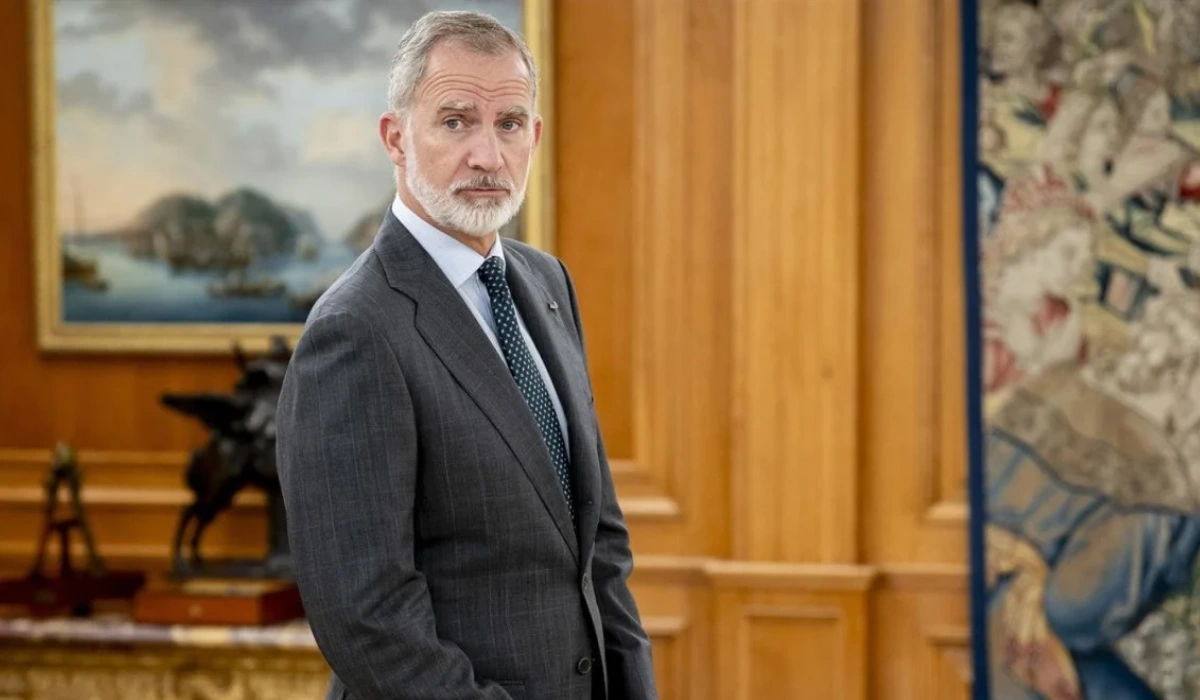
Madrid (Madrid Journals) November 2, 2026 – King Felipe VI of Spain will initiate an intensive series of bilateral diplomatic meetings with six heads of state and the Secretary-General of the United Nations throughout this week, coinciding with the XXX Ibero-American Summit in Madrid. According to the official diplomatic itinerary released by Casa Real on Monday, 2 November 2026, the Spanish monarch will open audience schedules on Tuesday, 3 November, by holding individual bilateral discussions with Chilean President José Antonio Kast, Honduran President Nasry Juan Asfura, Guatemalan President César Bernardo Arévalo de León, and Costa Rican President Laura Fernández Delgado. Taking place from November 4 to 5, the high-level summit brings together political delegations from 22 member nations to address regional priorities, strategic integration, and transatlantic cooperation under the presidency of King Felipe VI.
- Key Points:
- What is King Felipe VI’s official bilateral meeting schedule during the Madrid Summit?
- Why does the 30th Ibero-American Summit carry historical significance for Spain and Latin America?
- What primary strategic issues are Latin American heads of state addressing with the Spanish Monarchy?
- Background of the Ibero-American Summit Mechanism and Spain’s Role
- Transatlantic Integration, Trade Agreements, and Multilateral Governance
What is King Felipe VI’s official bilateral meeting schedule during the Madrid Summit?
As reported by diplomatic correspondents for Agencias and Demócrata, the official program published by Casa Real details a structured series of individual state audiences taking place at Zarzuela Palace and summit venues across Madrid throughout the week.
The bilateral audience schedule established by Casa Real includes:
- Tuesday, 3 November: Bilateral meetings with President of the Republic of Chile, José Antonio Kast; President of the Republic of Honduras, Nasry Juan Asfura; President of the Republic of Guatemala, César Bernardo Arévalo de León; and President of the Republic of Costa Rica, Laura Fernández Delgado.
- Wednesday, 4 November: Bilateral audience with President of the Republic of Paraguay, Santiago Peña.
- Thursday, 5 November: High-level bilateral meeting with United Nations Secretary-General António Guterres.
- Friday, 6 November: Final bilateral audience with President of the Plurinational State of Bolivia, Rodrigo Paz.
The final state meeting with President Rodrigo Paz on Friday will follow the formal award ceremony presenting the Fórum Europa 2026 Prize to the Ibero-American Community of Nations in recognition of its decades of regional integration and diplomatic cooperation.
Why does the 30th Ibero-American Summit carry historical significance for Spain and Latin America?
As reported by international policy reporters for La Moncloa and Exteriores, the 2026 Madrid summit represents a major institutional milestone for transatlantic diplomacy across the 22 member states.
Spain was designated by consensus in 2024 as the host nation for the 2026 summit. The event marks the fourth time Spanish territory has hosted the gathering, following previous editions held in Madrid (1992), Salamanca (2005), and Cádiz (2012).
The 2026 gathering holds heightened symbolic importance as it marks the 30th edition of the Ibero-American Summit while simultaneously commemorating the 35th anniversary of the inaugural I Ibero-American Summit held in Guadalajara, Mexico, in 1991.
Operating under the official slogan “Ibero-America. Together we build our Community. Together we project it toward the future and toward the world”, King Felipe VI exercises the presidency of the summit in his capacity as Spain’s Head of State, leading joint sessions focused on economic development, digital transition, social inclusion, and sustainable trade networks between Europe and Latin America.
What primary strategic issues are Latin American heads of state addressing with the Spanish Monarchy?
As reported by diplomatic analysts covering Casa Real releases, the bilateral audiences provide a direct platform for visiting heads of state to align political and strategic priorities with the Spanish Crown prior to plenary debates.
The discussions between King Felipe VI and Latin American leaders are structured around shared economic and geopolitical objectives:
- Chile and Costa Rica: Strengthening bilateral trade agreements, renewable energy partnerships, and technology transfers.
- Honduras and Guatemala: Addressing regional migration challenges, development cooperation, and climate resilience frameworks in Central America.
- Paraguay and Bolivia: Expanding South American infrastructure corridors, agricultural export pathways, and institutional trade links with the European Union.
- United Nations Relations: Aligning Ibero-American strategic initiatives with global multilateral goals alongside UN Secretary-General António Guterres.
The summit discussions aim to produce a binding Joint Final Declaration signed by all 22 attending heads of state and government to guide inter-regional cooperation over the coming years.
Background of the Ibero-American Summit Mechanism and Spain’s Role
The Ibero-American Summit of Heads of State and Government was established in 1991 to create a permanent mechanism for political consultation and cooperation among Spanish- and Portuguese-speaking nations across the Americas and Europe. Comprising 22 member countries—including Spain, Portugal, Andorra, and 19 Latin American states—the summit framework operates under the permanent coordination of the Ibero-American General Secretariat (SEGIB), headquartered in Madrid. Over three decades, the institutional network has expanded beyond bi-annual political gatherings to encompass sectoral ministerial bodies covering education (OEI), social security (OISS), youth policies (OIJ), and judicial cooperation (COMJIB).
As Head of State, the Spanish Monarch plays a central, constitutional role in fostering Spain’s historical and cultural ties with Ibero-American nations. King Felipe VI has represented Spain at Ibero-American Summits since his tenure as Prince of Asturias, maintaining regular diplomatic contact with Latin American leaders during presidential inaugurations and multilateral forums. Spain’s stewardship of the 30th summit reinforces Madrid’s strategic position as the primary diplomatic bridge between the European Union and Latin America, promoting economic investment, legal certainty, and institutional dialogue across both continents.
Transatlantic Integration, Trade Agreements, and Multilateral Governance
The bilateral meetings between King Felipe VI and visiting heads of state during the 30th Ibero-American Summit are predicted to produce tangible long-term diplomatic, commercial, and policy outcomes across the Ibero-American community.
For Latin American governments and European trade negotiators, the bilateral consensus established during the Madrid summit is expected to accelerate progress on bilateral investment treaties and regional trade agreements between the European Union and Latin American economic blocs, such as Mercosur and the Pacific Alliance. The direct involvement of UN Secretary-General António Guterres and heads of state from Chile, Paraguay, and Central America will likely lead to joint initiatives on climate finance, sustainable agriculture, and digital infrastructure funding supported by European development funds.
For Spanish diplomatic relations and corporate investors, the success of the 30th summit is predicted to consolidate Spain’s role as the leading European gateway for Latin American enterprise. Spanish multinational corporations operating across telecommunications, banking, energy, and infrastructure in Latin America are expected to benefit from enhanced regulatory alignment and political stability resulting from the high-level commitments forged during the Madrid meetings, establishing a clear collaborative roadmap for the Ibero-American Community heading toward 2030.